

How to Use Herbal Seasoning Blends Effectively

If you’re anything like me, you love jazzing up your meals with a little extra flavour punch. But sometimes, it’s tricky to know how to get the best out of those magical little jars of herbs and spices sitting on your shelf. That’s where herbal seasoning blends come in. They’re like your kitchen’s secret weapon, ready to transform the simplest dish into something spectacular. Today, I’m sharing my top tips on how to use these blends effectively, so you can wow your taste buds and impress anyone lucky enough to share your table.
Why Choose Herbal Seasoning Blends?
Let’s be honest - life’s too short to spend hours measuring out individual herbs every time you want to cook. Herbal seasoning blends are a brilliant shortcut. They combine the perfect mix of herbs, sometimes with a pinch of salt or other spices, to give you a balanced, delicious flavour profile in one go.
Plus, these blends are crafted to complement specific types of dishes. Whether you’re roasting veggies, grilling meat, or whipping up a salad dressing, there’s a blend out there that’s just right. Using them means you get consistent, tasty results without the guesswork.
Here’s why I’m a fan:
Time saver: No need to hunt down every single herb.
Balanced flavours: Expertly mixed for harmony.
Versatile: Great for many dishes, from breakfast to dinner.
Natural ingredients: Many blends, like those from Annie’s Herb Kitchen, use all-natural herbs and no artificial nasties.
So, if you want to cook smarter, not harder, herbal seasoning blends are your new best friend.

Herbal seasoning blends ready to add flavour to your dishes
How to Use Herbal Seasoning Blends Like a Pro
Okay, so you’ve got your blend. Now what? Here’s how to make the most of it:
1. Start Small and Taste as You Go
Herbs can be powerful, so start with a small amount. You can always add more, but you can’t take it out once it’s in! Sprinkle a pinch, stir, and taste. Adjust until it’s just right.
2. Use Them Early or Late in Cooking
Some herbs release their flavour best when cooked slowly, while others shine when added at the end. For example:
Robust blends with rosemary or thyme work well when added early, especially in roasts or stews.
Delicate blends with basil or parsley are best sprinkled on just before serving to keep their fresh taste.
3. Mix with Oil or Butter
Make a quick herb butter or oil by mixing your blend with softened butter or olive oil. Spread it on bread, toss it with roasted potatoes, or use it to baste grilled chicken. This method helps the herbs infuse evenly and adds richness.
4. Experiment with Different Dishes
Don’t limit yourself to just one use. Try your blend in:
Salad dressings
Soups and stews
Marinades
Roasted vegetables
Pasta sauces
The more you experiment, the more you’ll discover what works best for your taste buds.
5. Store Properly
Keep your blends in airtight containers, away from heat and light. This keeps the herbs fresh and flavourful for longer.
What are some herb seasonings?
Now, let’s get to the fun part - the herbs themselves! Here are some common herbs you’ll find in blends and what they bring to the table:
Basil: Sweet and slightly peppery, perfect for Italian dishes.
Oregano: Earthy and robust, great in tomato sauces and grilled meats.
Thyme: Subtle and slightly minty, works well in soups and roasts.
Rosemary: Pine-like and strong, ideal for potatoes and lamb.
Parsley: Fresh and bright, often used as a garnish or in salads.
Sage: Warm and slightly peppery, pairs well with pork and poultry.
Dill: Light and tangy, fantastic in fish dishes and dressings.
Tarragon: Slightly anise-flavoured, lovely in creamy sauces.
Many blends combine these herbs to create a balanced flavour. For example, a Mediterranean blend might include oregano, thyme, rosemary, and basil, while a French blend (like Herbes de Provence) adds lavender and fennel.
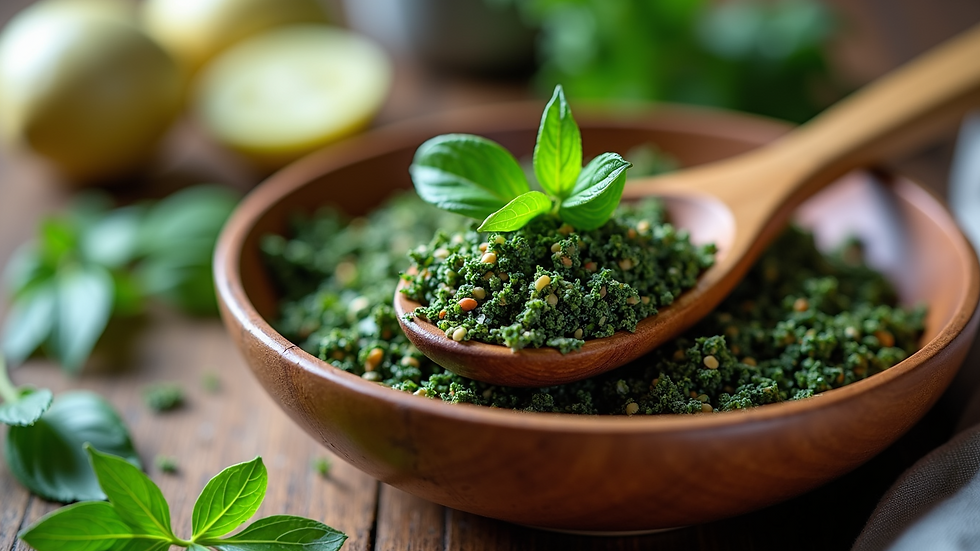
Fresh herbs ready to be blended into seasoning mixes
Tips for Using Herbal Seasoning Blends in Everyday Cooking
Here are some practical tips to help you get creative and confident with your blends:
Use as a rub: For meats and fish, rub the blend directly onto the surface before cooking. Let it sit for 15-30 minutes to soak in.
Add to grains: Stir a teaspoon into cooked rice, quinoa, or couscous for an instant flavour boost.
Make your own blends: Once you get comfortable, try mixing your own herbs to suit your favourite dishes.
Gift them: Herbal seasoning blends make fantastic gifts for food lovers. Package them in pretty jars with a label and recipe ideas.
Ready to Spice Up Your Kitchen?
Using herbal seasoning blends is one of the easiest ways to elevate your cooking. They save time, reduce stress, and add layers of flavour that make every meal memorable. Whether you’re roasting, grilling, or just tossing a salad, a good blend can be your secret weapon.
So next time you’re in the kitchen, grab a tin of your favourite blend, get creative, and enjoy the delicious results. Happy cooking!
P.S. Don’t forget to share your favourite ways to use herbal seasoning blends in the comments below. I love swapping tips and recipes!


Analysis reveals that the narrative logic holds up under close scrutiny. Qualitative assessments are matched by quantitative support. The website anchors the topic within a well-documented context. Digital adoption curves are reflected in platform activity patterns.